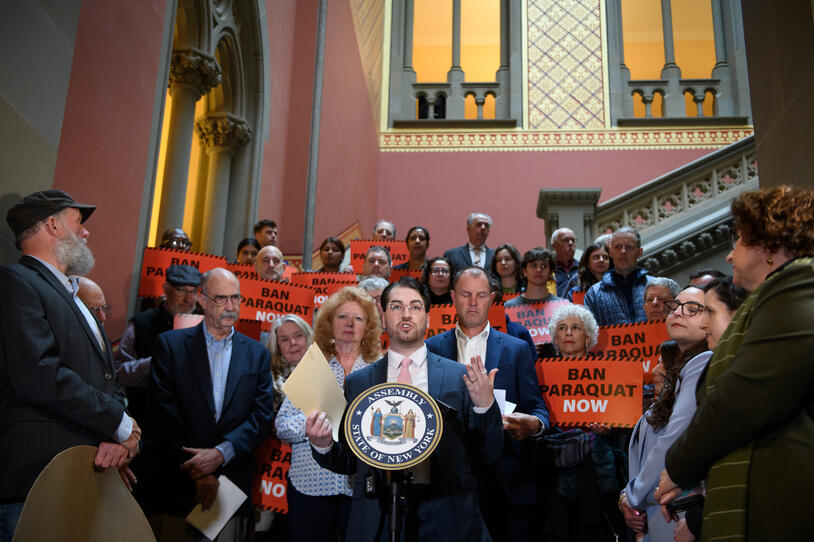
MJFF's Zach Hardy rallies the crowed at a coalition press conference in support of New York's paraquat ban legislation.
In 2026, people with Parkinson’s, care partners and advocates helped drive meaningful state policy progress — supporting scientific discovery, addressing environmental risk factors and advancing policies that improve lives today while accelerating the search for a cure.
This year brought a first-in-the-nation paraquat ban in Vermont and a California proposal that could secure $12 billion for health and science research, including Parkinson’s. It also included a new $65 million investment in New York to strengthen biotechnology innovation with a focus on neurodegenerative diseases and $6 million for Parkinson’s research in Florida.
These victories reflect growing momentum in statehouses across the country, where policymakers are increasingly recognizing the need to address Parkinson’s through both research investment and prevention-focused policies.
Vermont Makes History with First-in-the-Nation Paraquat Ban
On May 26, 2026, Governor Phil Scott signed H.739 into law, making Vermont the first state in the nation to ban paraquat, a toxic pesticide linked to an increased risk of Parkinson’s disease. The law will end the sale and use of paraquat in late 2026, with a phased transition for certain crops until a full statewide ban takes effect in December 2030.
This success reflects a focused effort by The Michael J. Fox Foundation’s (MJFF) Public Policy team together with Vermont legislators, partner organizations and advocates, and builds on more than a decade of advocacy for a federal paraquat ban. In taking this step, Vermont has become a national leader in protecting public health and reducing preventable Parkinson’s risk.
Vermont’s ban is part of a coordinated push: In 2026, MJFF worked on paraquat legislation in states across the country, including Illinois, Iowa, Minnesota, Missouri, New Jersey, New York, Pennsylvania, Virginia and Washington.
California Advances Transformational Research Investment
In California, lawmakers are advancing a proposal, Senate Bill (SB) 895, to create a major new source of state funding for science and health research. The legislation would establish the California Foundation for Science and Health Research and allocate $12 billion to fund work across many fields, including Parkinson’s research.
On May 27, 2026, SB 895 passed the State Senate and, at the time of this writing, is now under consideration in the Assembly. If approved by the legislature and signed into law, the proposal will go before voters for final approval on the November ballot.
To help make the case, Michael J. Fox authored a Los Angeles Times op-ed supporting SB 895 and urging California to seize the opportunity to invest in this critical scientific moment. As he wrote, “The science is ready. How fast it can go is up to us.”
“The science is ready. How fast it can go is up to us.”
Beyond Michael’s op-ed, advocates from across California have driven the push for SB 895 — calling and writing their legislators and joining MJFF for an advocacy day in Sacramento to make the case in person.
California is part of a broader set of states that advanced or considered neurodegenerative disease research funding proposals this year, along with Illinois, Iowa, Minnesota, New York and Utah.
Photo Gallery

Patient advocate Roberta Niver speaks at a press conference in support of Minnesota's paraquat ban legislation.
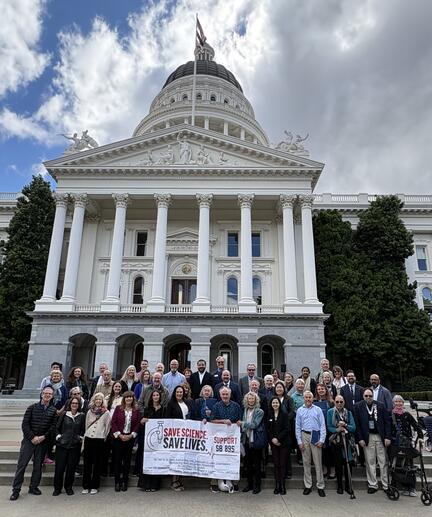
California advocates gather in Sacramento to urge legislators to support Senate Bill 895.
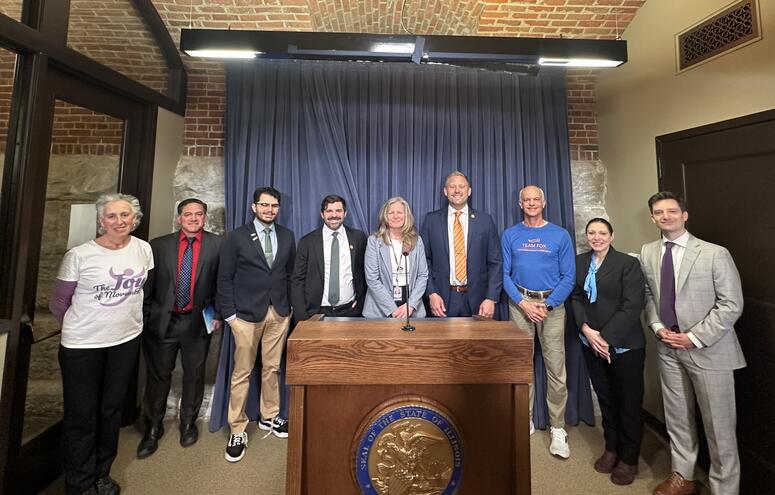
Illinois advocates gather in Chicago for a press conference in support of the state's proposed paraquat ban.
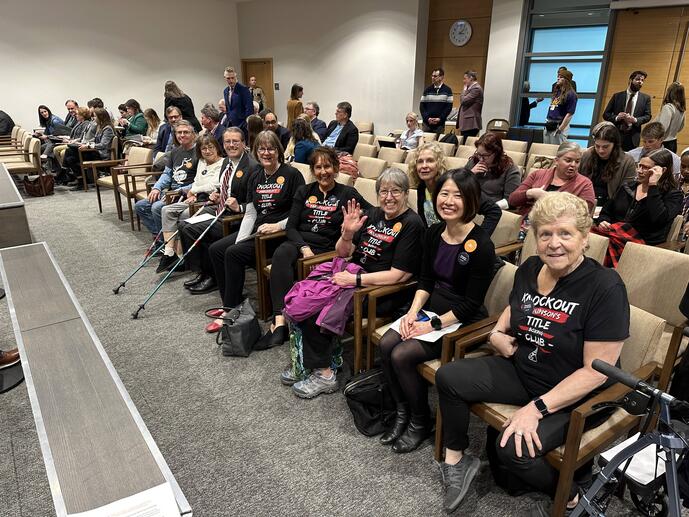
Minnesota advocates prepare to testify for the state's proposed paraquat ban.
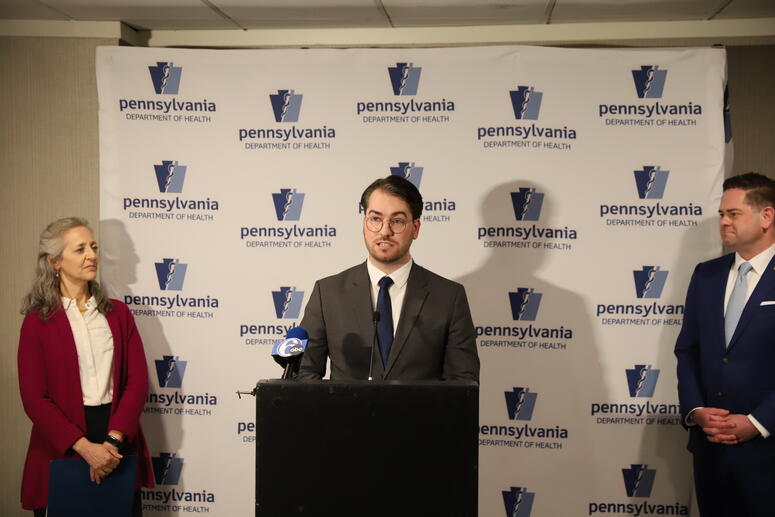
MJFF's Zach Hardy joins Pennsylvania officials to celebrate the the opening of the state's grant application period for $5 million in neurodegenerative research funding.

From left to right: Minnesota Sen. Jim Abeler (R), Rep. Brad Tabke (D) and patient advocate Mark Kelm advocate for Minnesota's paraquat ban on Fox9 with reporter Leah Beno.
New York Invests in the Future of Parkinson’s Research
On May 28, 2026, Governor Kathy Hochul signed New York's annual budget into law, including $65 million for the Governor’s Bolstering Biotech Initiative. The new effort is designed to strengthen the state’s life sciences sector, accelerate the development of new treatments and expand clinical research. The initiative includes a focus on neurodegenerative diseases, creating new opportunities to advance Parkinson’s research.
The initiative reflects recommendations developed by New York’s Emerging Technology Advisory Board, convened by Governor Hochul and co-chaired by MJFF co-founder and CEO Debi Brooks and Andrew Baum of Pfizer. The board brought together leaders from industry, academia and nonprofits to identify ways to strengthen New York’s biotechnology ecosystem and translate scientific discoveries into real-world health benefits.
From discovery through commercialization, the initiative is designed to translate promising science into new therapies for people living with Parkinson’s and other neurodegenerative diseases.
In 2026, New York lawmakers also introduced legislation to restrict or ban paraquat, joining the wave of states introducing similar legislation. Taken together, these two efforts — advancing biotech investment and pursuing a paraquat ban — position New York as a leader in addressing Parkinson’s from multiple angles, accelerating research while working to reduce preventable risks.
Pennsylvania Takes Step toward a Paraquat Ban
In June 2026, the Pennsylvania House of Representatives passed a bill to ban paraquat out of committee, which tees it up for a floor vote before consideration in the House Senate. Pennsylvania’s legislative session remains active through the end of 2026, and we will closely monitor the bill’s progress as lawmakers consider next steps. Previously, the Keystone State demonstrated support for Parkinson’s research by investing $5 million for a new neurodegenerative disease research program in the state’s 2025 budget.
Florida Builds on Its 2025 Research Investment
In 2025, Florida lawmakers created a Parkinson’s research consortium at the University of South Florida with an initial $8 million investment. In 2026, the Florida Legislature approved another $6 million. The investment reflects Florida’s continued commitment to Parkinson’s research funding, and MJFF will keep working with state lawmakers to build support for the consortium in the years ahead.
Advocacy Drives Results
From proposals to expand research funding to efforts addressing environmental risks and access to care, advocates across the country drove progress in 2026. While not every bill became law, these efforts raised awareness, strengthened coalitions and laid the groundwork for future action. Several states are expected to continue pursuing these priorities during the 2027 legislative sessions.
These wins in 2026 highlight the growing impact of state-level advocacy. As more states pursue policies that support research, reduce environmental risks and improve quality of life, every voice helps bring us closer to better treatments — and ultimately a cure.
Join The Michael J. Fox Foundation’s Parkinson’s Policy Network to stay informed, take action and make your voice heard on the policies that matter most to the Parkinson’s community.